
Contribution Article: Message from former JICA long-term trainee
2026/4/1
 My Graduation Day
My name is Tshwarelo Mocheko, Assistant Director under the Directorate of Public Service Management (DPSM), an agency that drives the people agenda for the Botswana Public Service. My journey with Japan, through the Japan International Cooperation Agency (JICA), has been both progressive and transformative, spanning several years of learning, reflection, and application.
My journey began in 2016 when I participated in a three-week Kaizen course. This initial exposure introduced me to the philosophy of continuous improvement and efficiency in the workplace. In 2017, I returned to Japan for a benchmarking exercise on salary structure design, where I gained valuable insights into structured and strategic approaches to human resource management. These early experiences laid a strong foundation for my appreciation of Japan’s systems and its commitment to excellence. From 2020 to 2022, I had the privilege of undertaking a Master’s degree in Public Management and Policy Analysis at the International University of Japan situated in Niigata Prefecture, under the SDG Global Leadership Scholarship, an experience that marked a defining chapter in both my academic and professional journey.
My decision to pursue studies in Japan was driven by a desire to better understand how a nation renowned for discipline, innovation, and efficiency has built strong institutions and consistently delivers high-quality public services. At the time, Botswana, like many countries, was navigating challenges related to service delivery, work ethic, and leadership effectiveness. Japan presented a unique learning environment, one where I could observe, absorb, and reflect on practices that could be meaningfully adapted to strengthen Botswana’s public service.
While my academic programme provided a solid foundation in public policy and management, some of the most profound lessons came from experiencing Japanese society firsthand. I observed a culture deeply rooted in discipline, respect, and collective responsibility. The Japanese work ethic is characterised not only by diligence, but by a shared commitment to excellence and continuous improvement. Individuals align their efforts with organisational and national goals, reinforcing the principle that sustainable development is driven by people working together with purpose.
Equally instructive were Japan’s human resource practices, particularly the concept of long-term employment and deliberate investment in people. Organisations prioritise continuous skills development, job rotation, and the nurturing of well-rounded professionals. This approach underscores the importance of building institutional capacity through human capital development and aligning employees with organisational philosophy and values. These insights have had a lasting influence on how I view talent management and organisational performance.
Living in Japan also presented challenges, most notably the language barrier. However, this became an opportunity for personal growth. It strengthened my resilience, adaptability, and ability to navigate diverse environments. It also deepened my appreciation for cross-cultural communication and the value of embracing different perspectives in an interconnected world.
Beyond academics, my stay in Japan was enriched by experiences that continue to shape my outlook. The efficiency of the transport system, the cleanliness of public spaces, and the courtesy embedded in everyday interactions all reflect a society that values order, accountability, and mutual respect. These attributes are not incidental but rather foundational to effective governance and service delivery.
From my time in Japan, two key lessons stand out. The first is the power of engagement and collaboration. Inclusive and structured participation fosters ownership, alignment, and stronger outcomes within organisations. The second is the importance of speed in execution. Effective service delivery requires not only sound planning, but also timely and disciplined implementation.
Since returning to Botswana, I have been intentional in translating these lessons into action within the public service. In 2023 and 2024, I co - coordinated Public Service consultative tours with our Customer Relations Coordinator, engaging public servants on key human resource reform initiatives. These engagements were designed to strengthen ownership, encourage participation, and ensure that public service initiatives and reforms are well understood for ownership and implementation.
Building on this momentum, in September 2024, I coordinated the inaugural Public Service Leadership Conference, bringing together leaders (600 in person and 600 online) from across government to strengthen leadership capability and foster a shared vision for transformation.
The process of applying these lessons has not been without challenges. Resistance to change is an inherent part of institutional reform. However, my experience in Japan reinforced the importance of persistence, engagement, and leading by example. It has strengthened my commitment to advancing reforms that enhance service delivery and improve organisational effectiveness.
As Botswana continues to address evolving public service challenges, the lessons drawn from Japan remain highly relevant. By fostering a culture of discipline, investing in human capital, and prioritising effective execution, we can strengthen the performance of our institutions and better meet the expectations of citizens.
As we commemorate 60 years of diplomatic relations between Botswana and Japan, I am deeply grateful for the opportunities made possible through this enduring partnership not only to me but other Batswana. Programmes such as the JICA SDG Scholarship & ABE Initiative not only build individual capacity, but also contribute meaningfully to national development and institutional strengthening. They stand as a testament to the shared values of cooperation, mutual respect, and sustainable development that underpin the relationship between the two countries.
My experience in Japan has been truly transformative. It has shaped my perspective, strengthened my capabilities, and reaffirmed my commitment to the public service. I remain dedicated to applying the knowledge and values I have gained to contribute to Botswana’s development and to inspire a culture of excellence, collaboration, and innovation within the public service.
Arigato Gozaimasu.
My journey began in 2016 when I participated in a three-week Kaizen course. This initial exposure introduced me to the philosophy of continuous improvement and efficiency in the workplace. In 2017, I returned to Japan for a benchmarking exercise on salary structure design, where I gained valuable insights into structured and strategic approaches to human resource management. These early experiences laid a strong foundation for my appreciation of Japan’s systems and its commitment to excellence. From 2020 to 2022, I had the privilege of undertaking a Master’s degree in Public Management and Policy Analysis at the International University of Japan situated in Niigata Prefecture, under the SDG Global Leadership Scholarship, an experience that marked a defining chapter in both my academic and professional journey.
My decision to pursue studies in Japan was driven by a desire to better understand how a nation renowned for discipline, innovation, and efficiency has built strong institutions and consistently delivers high-quality public services. At the time, Botswana, like many countries, was navigating challenges related to service delivery, work ethic, and leadership effectiveness. Japan presented a unique learning environment, one where I could observe, absorb, and reflect on practices that could be meaningfully adapted to strengthen Botswana’s public service.
While my academic programme provided a solid foundation in public policy and management, some of the most profound lessons came from experiencing Japanese society firsthand. I observed a culture deeply rooted in discipline, respect, and collective responsibility. The Japanese work ethic is characterised not only by diligence, but by a shared commitment to excellence and continuous improvement. Individuals align their efforts with organisational and national goals, reinforcing the principle that sustainable development is driven by people working together with purpose.
Equally instructive were Japan’s human resource practices, particularly the concept of long-term employment and deliberate investment in people. Organisations prioritise continuous skills development, job rotation, and the nurturing of well-rounded professionals. This approach underscores the importance of building institutional capacity through human capital development and aligning employees with organisational philosophy and values. These insights have had a lasting influence on how I view talent management and organisational performance.
Living in Japan also presented challenges, most notably the language barrier. However, this became an opportunity for personal growth. It strengthened my resilience, adaptability, and ability to navigate diverse environments. It also deepened my appreciation for cross-cultural communication and the value of embracing different perspectives in an interconnected world.
Beyond academics, my stay in Japan was enriched by experiences that continue to shape my outlook. The efficiency of the transport system, the cleanliness of public spaces, and the courtesy embedded in everyday interactions all reflect a society that values order, accountability, and mutual respect. These attributes are not incidental but rather foundational to effective governance and service delivery.
From my time in Japan, two key lessons stand out. The first is the power of engagement and collaboration. Inclusive and structured participation fosters ownership, alignment, and stronger outcomes within organisations. The second is the importance of speed in execution. Effective service delivery requires not only sound planning, but also timely and disciplined implementation.
Since returning to Botswana, I have been intentional in translating these lessons into action within the public service. In 2023 and 2024, I co - coordinated Public Service consultative tours with our Customer Relations Coordinator, engaging public servants on key human resource reform initiatives. These engagements were designed to strengthen ownership, encourage participation, and ensure that public service initiatives and reforms are well understood for ownership and implementation.
Building on this momentum, in September 2024, I coordinated the inaugural Public Service Leadership Conference, bringing together leaders (600 in person and 600 online) from across government to strengthen leadership capability and foster a shared vision for transformation.
The process of applying these lessons has not been without challenges. Resistance to change is an inherent part of institutional reform. However, my experience in Japan reinforced the importance of persistence, engagement, and leading by example. It has strengthened my commitment to advancing reforms that enhance service delivery and improve organisational effectiveness.
As Botswana continues to address evolving public service challenges, the lessons drawn from Japan remain highly relevant. By fostering a culture of discipline, investing in human capital, and prioritising effective execution, we can strengthen the performance of our institutions and better meet the expectations of citizens.
As we commemorate 60 years of diplomatic relations between Botswana and Japan, I am deeply grateful for the opportunities made possible through this enduring partnership not only to me but other Batswana. Programmes such as the JICA SDG Scholarship & ABE Initiative not only build individual capacity, but also contribute meaningfully to national development and institutional strengthening. They stand as a testament to the shared values of cooperation, mutual respect, and sustainable development that underpin the relationship between the two countries.
My experience in Japan has been truly transformative. It has shaped my perspective, strengthened my capabilities, and reaffirmed my commitment to the public service. I remain dedicated to applying the knowledge and values I have gained to contribute to Botswana’s development and to inspire a culture of excellence, collaboration, and innovation within the public service.
Arigato Gozaimasu.
Assistant Director under the Directorate of Public Service Management (DPSM)
Ms Tshwarelo Mocheko
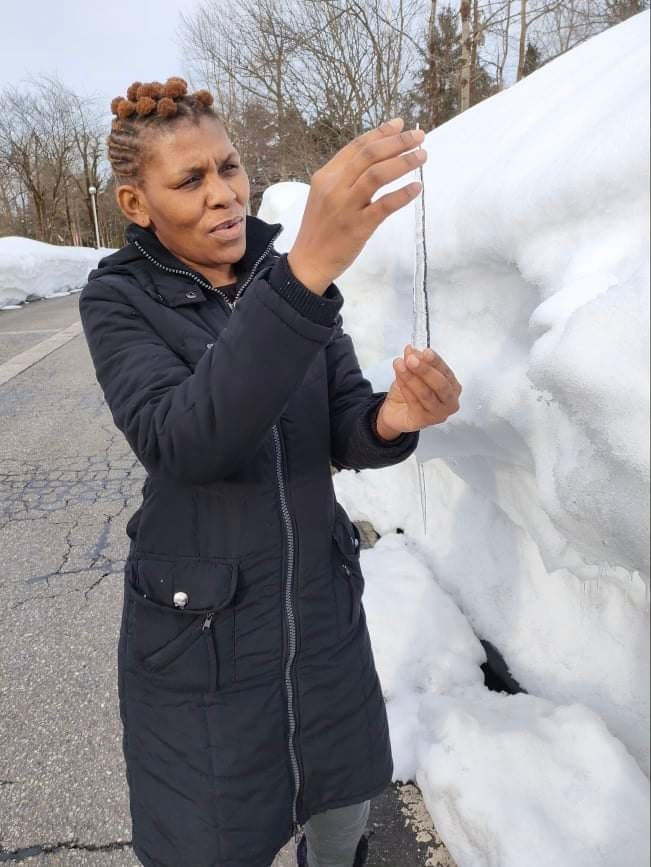 Enjoying the Snow at Niigata
 Visiting the Tokyo Tower
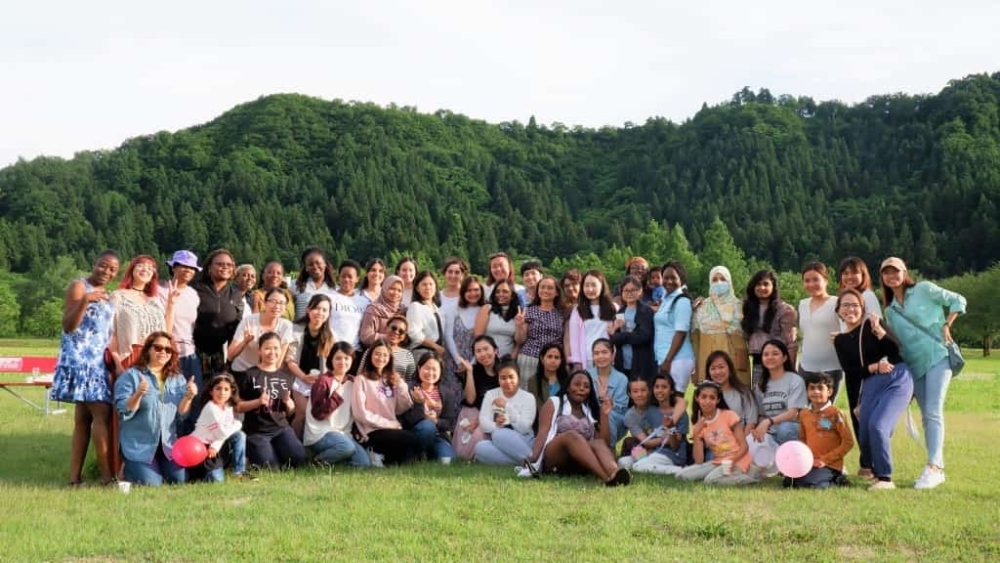 Women Emporment activation at IUJ
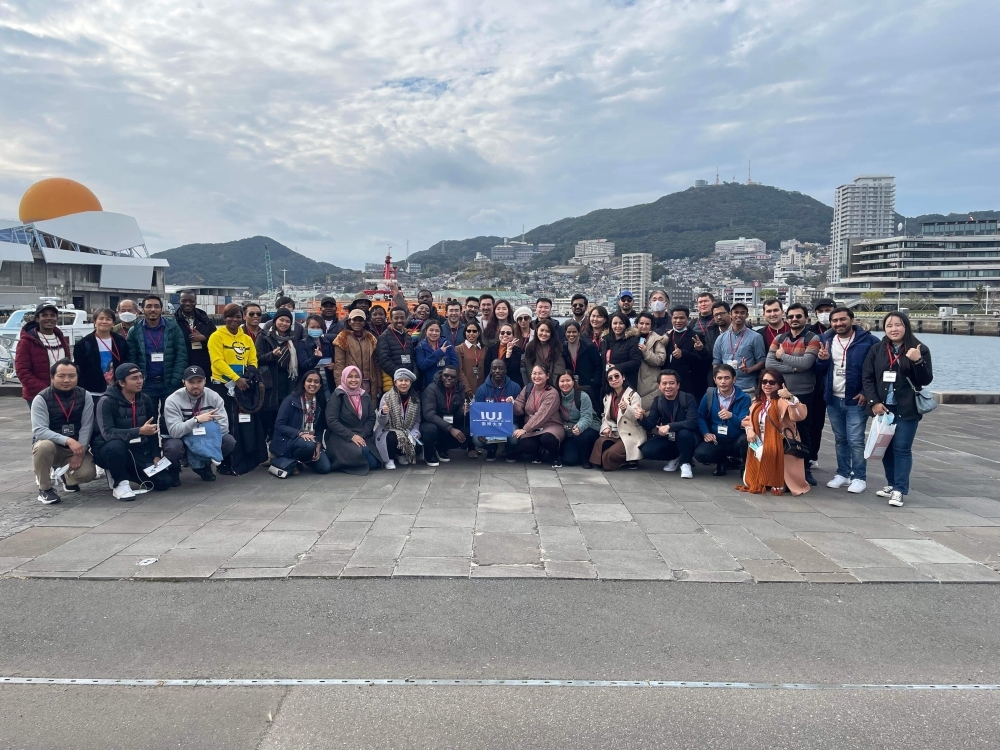 Actively participating in Field trips in Kobe